How Beyond One Language Began?
There was never just one language in my world.
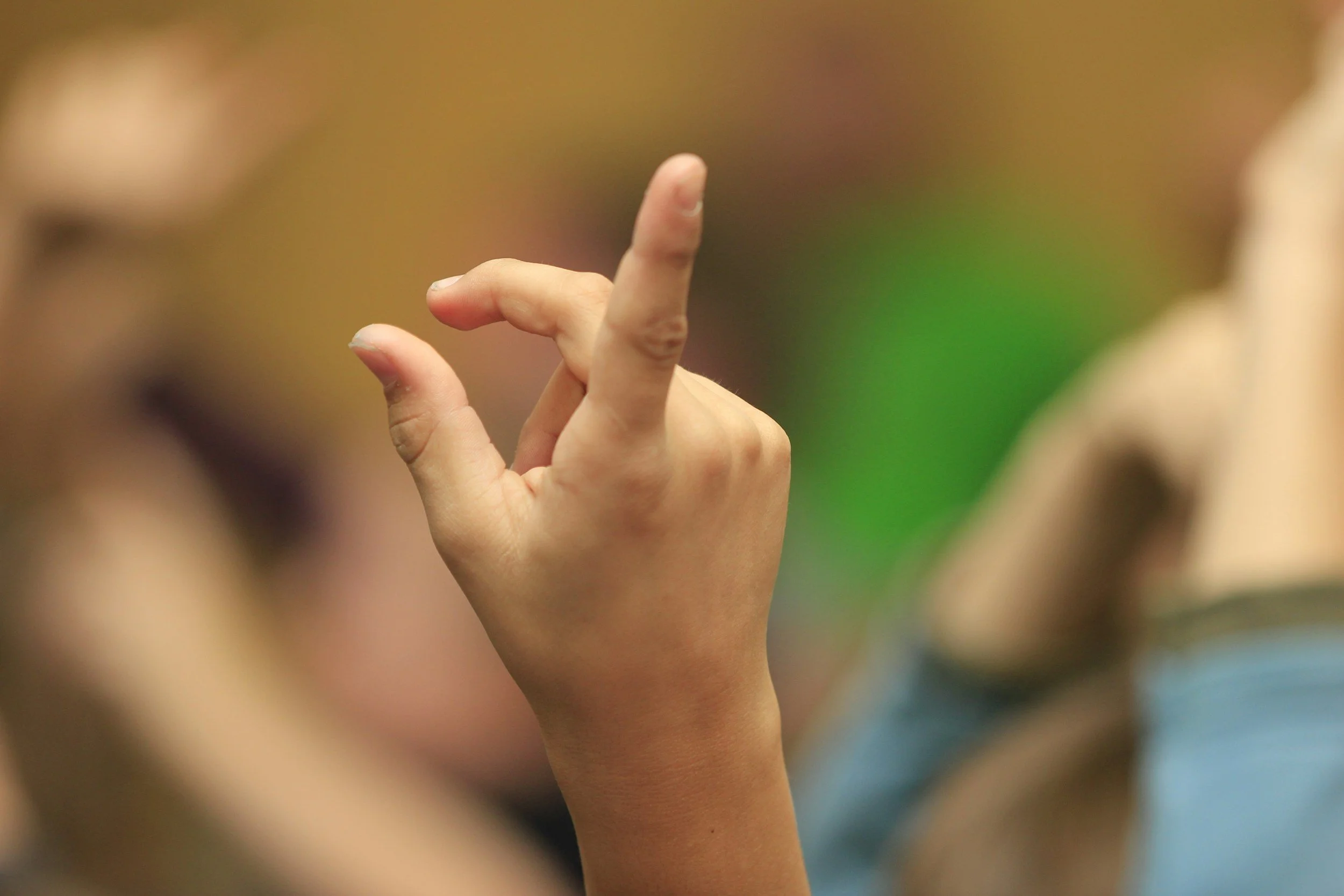
I grew up navigating more than vocabulary. I navigated identity, belonging, expectation, and culture. Language was not just something we spoke. It was something we felt.
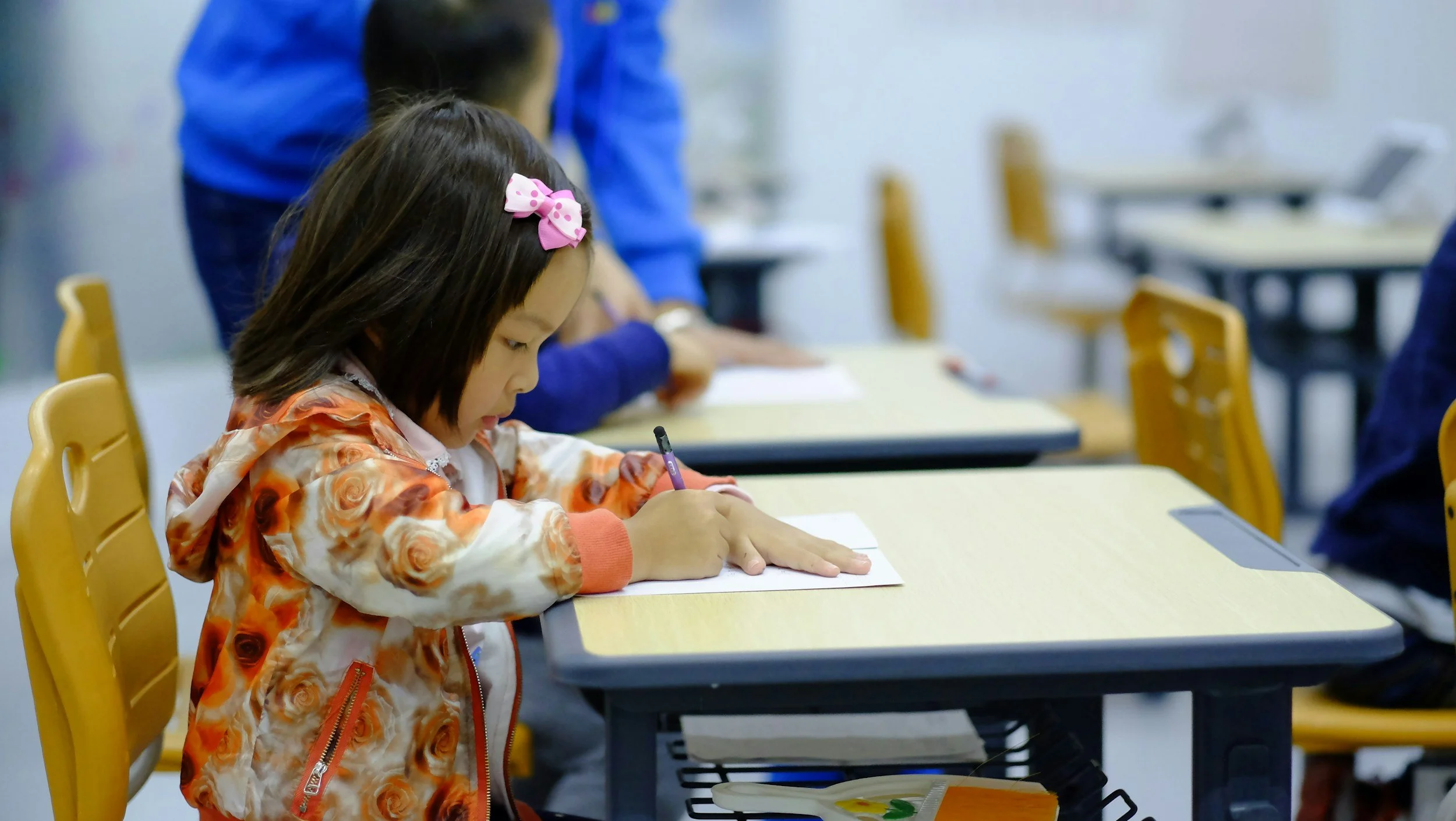
At home, one language (Cantonese) carried family stories, respect, and tradition. Outside, another language (English) shaped friendships, education, and opportunity. And somewhere in between, I learned that living “beyond one language” was both a gift and a challenge.
But I didn’t always see it that way.
As a child, switching between languages sometimes felt like switching between versions of myself. I used one language in a certain context and the other in another context. I learned early how to adapt, translate, rephrase, explain, and bridge gaps. It wasn’t until much later that I realised: this wasn’t confusion, it was competence and then, I finally felt proud about my identity.
From Personal Story to Professional Purpose
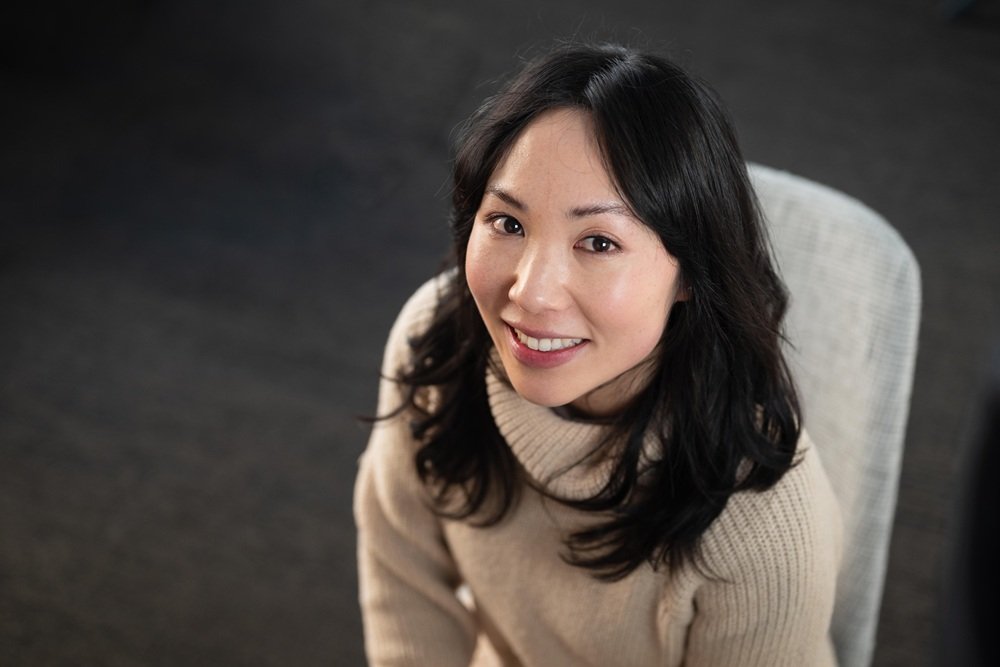
As I trained and worked as a speech pathologist, I began to see something deeply familiar:
Bilingual children were being misunderstood.
Parents were being told to “just stick to one language.”
Multilingualism was sometimes framed as a risk rather than a strength.
And I kept thinking:
We need better conversations. More accurate ones in fact!
I saw families navigating guilt, pressure, and fear, wondering whether maintaining their home language would “confuse” their child. I saw professionals unsure how to differentiate difference from disorder or using monolingual norms to dictate diagnosis.
And I knew this space needed clarity, cultural understanding, and evidence-based guidance.
Why “Beyond One Language”?
The name represents more than bilingualism.
It represents:
Moving beyond limiting beliefs about language
Moving beyond outdated myths
Moving beyond survival-level communication
Moving beyond shame tied to accent or identity
Moving beyond choosing one part of yourself
It speaks to children growing up between worlds.
It speaks to parents trying to hold onto heritage while building opportunity.
It speaks to professionals who want to do better.
Beyond One Language is about embracing complexity and recognising that language is not just words. It is culture. Connection. Confidence. Identity.
What I Hope to Build
Beyond One Language was created to support:
Families raising bilingual children by upskilling clinicians to make accurate, culturally responsive diagnoses.
Children growing up between cultures, by ensuring the professionals around them truly understand the intersection of language, identity, and development.
Professionals working with culturally and linguistically diverse communities, so they feel confident, competent, and evidence-based in their practice.
Through courses, workshops, and conversations, my goal is simple:
To replace fear with knowledge.
To replace guilt with confidence.
To replace myths with research.
To replace “either/or” with “both/and.”
Because no child should have to shrink one part of themselves to grow another.
This Is Just the Beginning
Beyond One Language isn’t just a brand.
It’s a reflection of my story, the families I serve, and the next generation growing up in multilingual homes.
And this is only the beginning.