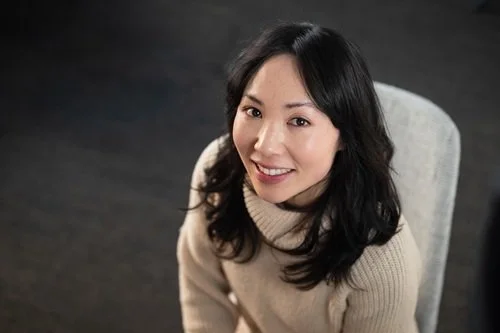
About Sarah
Helping bilingual and multilingual children find their voice and thrive.
Hi, I’m Sarah Yeung. I’m a speech pathologist with over 15 years’ experience across private practice, hospitals, schools, and early intervention services in both Australia and the UK.
But more than that, I’m someone who has lived the bilingual experience myself. I grew up surrounded by more than one language, and I know firsthand the beauty, challenges, and sometimes the confusion of navigating two worlds at once. That early experience shaped my passion: to make sure every child feels heard, valued, and supported in their communication journey, no matter what language they speak.
My Story
As a child, I experienced the richness of bilingual life, switching between languages at home, at school, and in the community. I also saw how easily children like me could be misunderstood or underestimated when their communication didn’t fit neatly into “one-language” boxes.
That lived experience never left me. It’s what inspired me to dedicate my career to helping bilingual and multilingual children, their families, and the professionals who support them. Over the years, I’ve combined clinical expertise with culturally affirming practices to create a way of working that is both evidence-based and deeply human.
For me, this work is personal. It’s not just about therapy, it’s about belonging, identity, and empowerment.
How I Work
I take a holistic, affirming approach that respects every child’s unique cultural and linguistic background. Instead of asking children to fit into narrow expectations, I adapt therapy to meet them where they are.
With children and families: Within my clinic, Little Birds, I support speech, language, and communication development in ways that feel natural at home, at school, and in the community.
With educators and allied health teams: I provide workshops and training that build confidence in navigating bilingual language development and culturally responsive care.
With communities: I collaborate to make communication support more inclusive, accessible, and empowering.
Whether it’s supporting a toddler’s first words, guiding families through speech sound challenges, or helping professionals feel confident with bilingual assessment, my goal is always the same: to make communication easier, richer, and more affirming.

Why This Matters
In a world where more than half the population is bilingual or multilingual, monolingual norms still dominate speech pathology training and practice. Too often, this means families are misunderstood, children are misdiagnosed, or multilingual strengths are seen as “problems.”
I believe bilingualism is a gift. It’s a vital part of identity and cognitive development, not a barrier. And every child deserves therapy that honours all of who they are.
Credentials & Contributions
15+ years in speech pathology across hospitals, private practice, schools, and early intervention
Specialist focus on bilingualism, multilingualism, and culturally affirming practice
Presenter at professional workshops, training events, and parent education sessions
Featured in blogs, professional development programs, and community forums
Advocate for inclusive, neurodiversity-affirming speech therapy practice
Beyond the Clinic
I’m also a mum of three energetic boys, including twins, which means I live the bilingual parenting journey every single day. That personal experience adds another layer of insight to my work, keeping me grounded in the real challenges and joys that families face.

Our Vision, Mission and Values
A world where every bilingual and multicultural child is supported to communicate with confidence, embraced for their abilities, and celebrated for their cultural and linguistic heritage.
To empower families, educators, and professionals with evidence-based strategies, practical tools, and culturally affirming practices that support bilingual language development. Through workshops, training, and tailored resources, we aim to bridge languages, embrace cultures, and nurture confident communicators.
1. Empowerment through Education – Sharing knowledge and tools that create lasting impact.
2. Cultural Respect – Honouring every family’s language, culture, and heritage.
3. Inclusivity – Embracing diverse communication styles and needs.
4. Evidence-Based Practice – Grounding everything in research and real-world application.