FREE Masterclass
The Hidden Risk of Misdiagnosis in Bilingual Children
Build Confidence to Assess
by Sarah Yeung
Build Confidence to Assess Bilingual Children Accurately
Stop second-guessing your decisions. Learn practical strategies to distinguish difference from disorder, focus on essential assessment areas, and provide culturally affirming therapy.
Many clinicians face a common challenge: they either attempt to assess bilingual children without the specialised skills or knowledge, risking misdiagnosis, or they avoid bilingual assessments completely and refer cases out, losing opportunities for their clinic.
The good news? The solution is easier than you think. With a bit of extra knowledge and a few practical skills, you can confidently assess bilingual children yourself—accurately, efficiently, and without the stress.

And somewhere along the way, you found yourself unsure how to assess a child from a multicultural background confidently.
We’ve been there too, unsure if you’re spotting the subtle signs, worried about misdiagnosis, and wondering if you’re doing the right thing for bilingual children.
Some clinicians try anyway without the right training, while others refer out to avoid mistakes. Both scenarios leave you feeling stuck.
That’s why we created this free webinar – a story-rich, evidence-informed session designed to help you prevent misdiagnosis, boost your assessment confidence, and deliver culturally affirming therapy.
In just 90 minutes, you’ll experience:
Key Challenges in Bilingual Assessment – Understand what often gets overlooked and why misdiagnosis happens
The 3 Pillars for Confident Assessment & Therapy – Build a framework to guide every clinical decision
A Practical Tool Kit – Strategies you can apply immediately to start assessing and treating, not just referring
Life as a clinician is busy. Complex. High-stakes.

What You’ll Learn
✔ Key challenges in bilingual assessment – Understand the subtle factors that can lead to misdiagnosis
✔ Difference vs. disorder – Confidently distinguish between linguistic/cultural differences and actual disorders
✔ 3 pillars for confident assessment & therapy – Build a framework to guide your clinical decisions
✔ Practical tools you can use immediately – Strategies to start assessing and treating, not just referring
✔ Focus on what matters – Key assessment areas to save time and improve accuracy
✔ A snapshot of my full course – See how these concepts fit into a complete, evidence-informed training
It’s simple: a few practical skills plus the right knowledge is all it takes to move from uncertainty to confident, accurate assessment. This isn’t a complex overhaul—it’s a small, achievable upskill that makes a big difference.

This is for you if…
You’ve ever felt unsure or overwhelmed when assessing a multicultural or bilingual child
You’ve ever walked into a session with a multicultural or bilingual child and felt unsure if your assessment was accurate
You’ve second-guessed whether you were seeing a disorder or just a difference
You want practical, evidence-informed strategies you can start using immediately—no fluff, no theory, only approaches
You’re ready to feel confident in your clinical decisions and provide culturally affirming care that truly makes a difference
You’re committed to learning how to focus on what matters, save time, and deliver therapy that works
Whether you’ve been hesitating because you didn’t know where to start, or you’ve been risking misdiagnosis trying anyway, this webinar solves both problems with an easy-to-apply framework. Just a small upskill unlocks confident assessment and therapy for bilingual children.
What past participants say:
"This webinar was practical, insightful, and easy to follow. I walked away with strategies I can use straight away, and it gave me a new level of confidence in my practice."
Michelle, Speech Pathologist
“I'm really enjoying this multilingual-affirming course. It's providing me with practical tools to better support multilingual clients as a speech pathologist, while exploring innovative ways to integrate AI into my practice.”
Maddy, Speech Pathologist
"The course offered a well-structured and research-informed overview of key considerations in bilingualism in speech pathology practice. The practical strategies were directly applicable to clinical practice. The content was communicated clearly, providing both theoretical depth and clinical relevance. Overall, this training is a valuable resource for speech pathologists working in multilingual and multicultural settings.”
Min-li, Speech Pathologist
"Our biggest takeaway was really understanding the difference between a language difference and a language disorder, and how dynamic assessment strategies can help make this distinction. It was such a lightbulbmoment to see practical examples of how to adapt assessment so that it is truly fair for bilingual children.”
Zara, Speech Pathologist
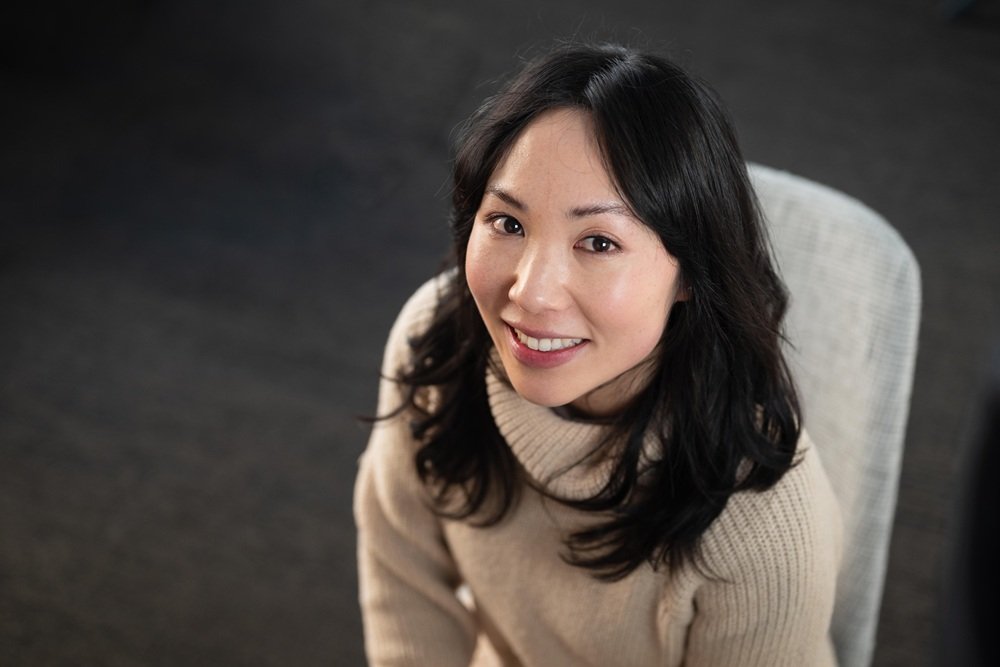
Meet Your Host
Bilingual Speech Pathologist, Director of Little Birds Allied Health.
Sarah brings over 15 years of experience in speech pathology across Australia and the UK, working in schools, hospitals, and private practice. Passionate about bilingualism and culturally responsive practice, she has dedicated her career to empowering clinicians to confidently assess and treat children from diverse backgrounds. Her hands-on approach combines evidence-informed strategies, practical tools, and real-world insights to help clinicians avoid misdiagnosis and deliver therapy that truly works.